
Q&A With Shelagh Watkins

This opportunity happened so quickly there wasn’t time to give anyone an advance heads up.  She has a variety of interesting authors highlighted on her site so after you take a peek at what I had to say, I suggested browsing a bit to see what else she has to offer.

The original idea for the Painted Black suspense plot came from a news article I read years ago in the Chicago Tribune. It was about a new method of preservation being used by taxidermists who freeze dried people’s pets to produce lifelike replicas that would last indefinitely. One person they interviewed stated that freeze drying could be used on people as well, and compared the process to cooking pizzas in an oven. He sounded so bizarre and unconcerned about it. In my research, I actually found an article in a mortuary magazine about a firm that did preserve a man in this manner.

via Literature & Fiction.
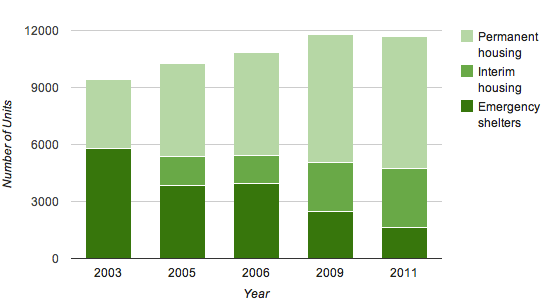
Tracking Shelter Beds

Nearly ten years ago, Chicago Mayor Richard Daley launched a ten year Plan to End Homelessness.  Over nine years later, how is the plan working out?  Some people say we’re making progress and some say not so much.

Staff from The Night Ministry were in attendance last week as Chicago began updating its plan with a series of community planning sessions. There are six planned discussions by a panel of local and national experts to look at six identified issues: employment, permanent housing access and supply, systems integration, coordinated access and prevention, interim and rapid rehousing, and youth.

The article below talks about some of the obstacles the discussions intend to address.

Instead of managing homelessness through a system of emergency shelters, the City of Chicago’s Plan to End Homelessness advocated moving homeless people into transitional and permanent housing in order to gain stability. Since the plan began in 2003, the ratio of shelter beds to permanent supportive housing has been reversed—from 38 percent permanent housing and 62 percent shelters, to 60 percent permanent housing and 40 percent shelters- while the overall number of beds in the system has steadily increased

via City Creating New Plan to End Homelessness – Chicago News Cooperative.